The Center of the Arts brings great opportunities for music students to explore their passion. Whether it is in pursuing education, performance, composition or a Bachelor of the Arts, these skills can build off into numerous career options.
However, the biggest opportunities for students are within the music clubs. Over break, the Jazz Education Network (JEN) and the Saxophone Club had the opportunity to visit New Orleans and Washington, D.C., respectively. Furthermore, the American String Teachers Association (ASTA) will be going to San Francisco in February. These trips provide students with the chance to learn and grow further as musicians.
The Jazz Education Network has annual conferences each winter break. This year the club members were able to experience the birthplace of jazz, providing them opportunities to meet other college students, newer and older jazz artists and attend sessions that help educators teach jazz techniques.
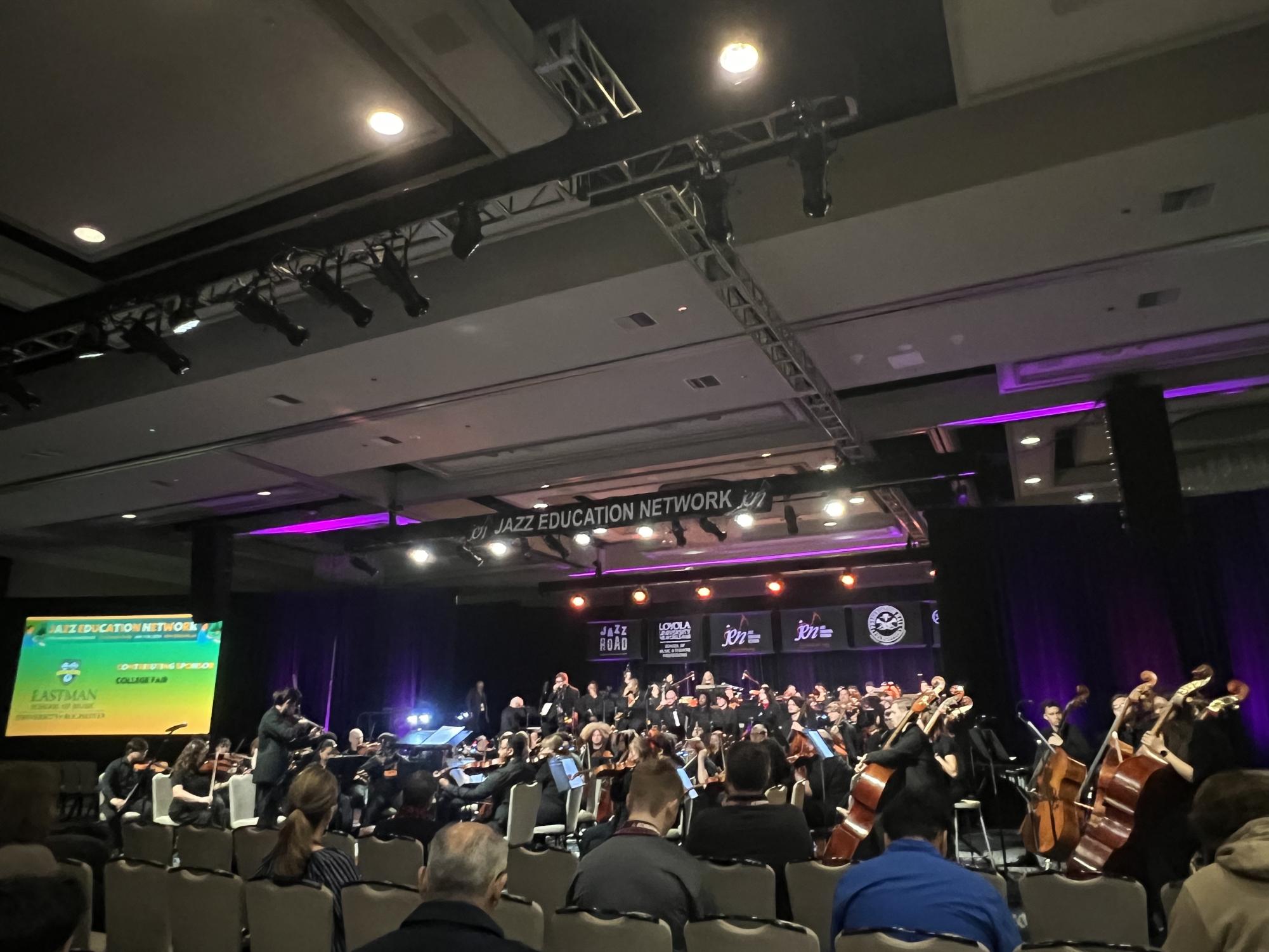
“The JEN conference was a blast, and I really enjoyed it,” Reading Band Coordinator Mel Prince said. “Even if someone doesn’t have a lot of jazz experience, the people at the conference were willing to answer any questions, which made the experience so much better.”
Another student who went shared their experience as someone with minimal jazz knowledge compared to Prince, who is in one of the university jazz bands.
“I learned about many things, but one panel that stood out to me was called Jazz Vocal Technique and Storytelling.” PR & Communications Chair Amelia Mehling said. “It talked about the emotions you apply to the song you’re working on, which can apply for instrumentalists too.”
Mehling further elaborated how the session brought up details such as referring to your accompanist as a pianist because of how much the music collaborates between the two people and the piece.
“Overall, the people were amazing, and we hope to share the experiences by helping beginner jazz musicians on where to start, learning different techniques and learning about past and current players within the genre,” Mehling said.
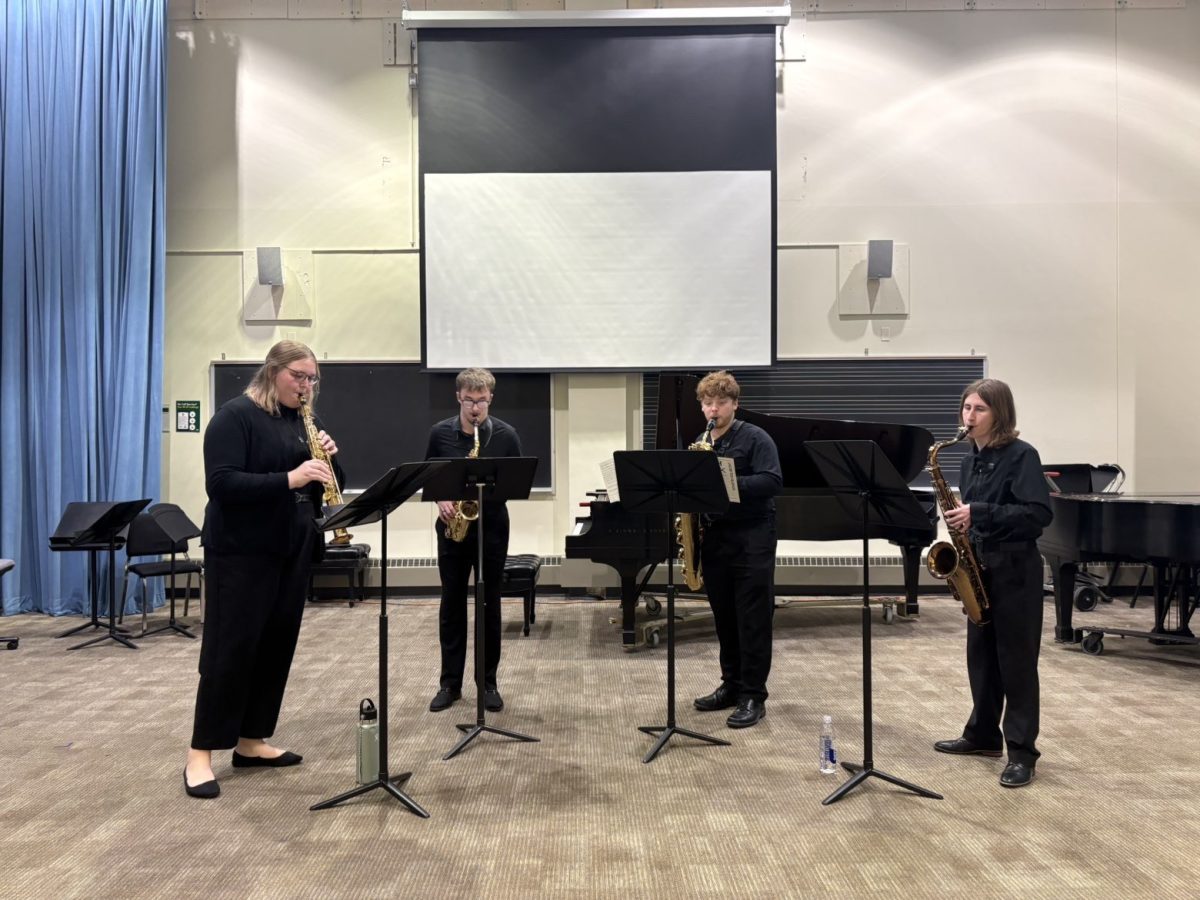
The Saxophone Club traveled to the United States capital for the Saxophone Symposium, which is an annual saxophone conference. During this trip, one of the saxophone quartets was able to perform and showcase their skills. This conference showed a new side of the saxophone, whether that was through new pieces or talks about techniques.
“The saxophone conference was great,” Saxophone Club president Mitchell McCarty said. “I was super excited to be able to perform this year and was happy with the final result of the performance. My whole quartet learned a lot about the preparation that goes into performing at a conference like this. It was definitely more difficult than preparing for a concert in Whitewater.”
McCarty explained how his experience can help other players with new music, as well as sharing his experience prepping and performing. The conference can help motivate younger players, as well as getting to watch high-level performances that can encourage all age groups.
Even though McCarty got to experience performing at the conference, a member of the club got to see the performance and enjoy the conference from a different perspective.
“I was able to learn from many world-class saxophonists about how the smallest changes in how you approach performing a piece of music,” club member Adriel Correa said. “I enjoyed being able to explore different saxophones from old to new and notice the difference in every one.”
Correa has learned about the impact a saxophone key can have which could affect how the performer handles the piece.
“No matter what skill level you are, you can learn something from this event; every master class and performance has something that a beginner and seasoned player can learn from,” Correa said.
ASTA will be heading to a conference in February, one much different from the prior two. The annual ASTA Conference, held in San Francisco, will showcase a variety of string performances, technique classes and ways to help future educators, while also providing the opportunity to enjoy the sunny weather.
“By simply attending the conference, we can learn how to develop our skills as students and future educators,” ASTA president Angelica Altoro said.
The experience can help coach future events in the string department, such as orchestra festivals, summer camps and UW-W String Academy lessons. However, its effects do not end there. Non-music majors would also be able to use these skills in everyday teaching and scenarios.
“ASTA believes that going to the national conference will promote a high level of learning, engagement, and development,” Altoro said. “It pushes us to exercise critical thinking, connections with future colleagues, and networking.”
Future music educator Aurelia Meyer gave a glimpse into how this conference can help her.
“As a future music educator, I do not doubt that I’ll learn more about classroom tools, teaching techniques and how to better manage my classroom from this marvelous event,” said Meyer, who works as the organization’s secretary.
She looks forward to connecting with other musicians and discussing practicing strategies for her to improve her cello skills.
“I believe students at any level of playing would find something valuable to take away from the conference,” Meyer said. “I’m excited to see what knowledge I will gain from experienced educators and explore the event.”
These trips are a nice opportunity for music club members to learn, network and visit a new area. It’s important to keep the support system alive within every music club. These clubs do not judge if you have never picked up an instrument of said club’s name or heard of the genre associated with the club. The ability to learn and connect is what matters most within music.