As spring weather brings heavy rains and the threat of flooding, the City of Whitewater’s Department of Public Works and Wastewater Utility departments are focused on keeping roads clear, sewer systems running and residents safe.
Public Works takes preventive actions before the first raindrop falls. One priority for the crew is ensuring that catch basins and storm drains are clear of debris so stormwater can drain properly.
“For the most part, we go around and make sure that our catch basins are cleared of debris so that the water has a place to go and doesn’t pond in the street,” Director of Public Works Brad Marquardt said.
Catch basins and storm drains are especially important during spring storms, when leaves, branches and other debris can block water flow and lead to standing water on the streets.
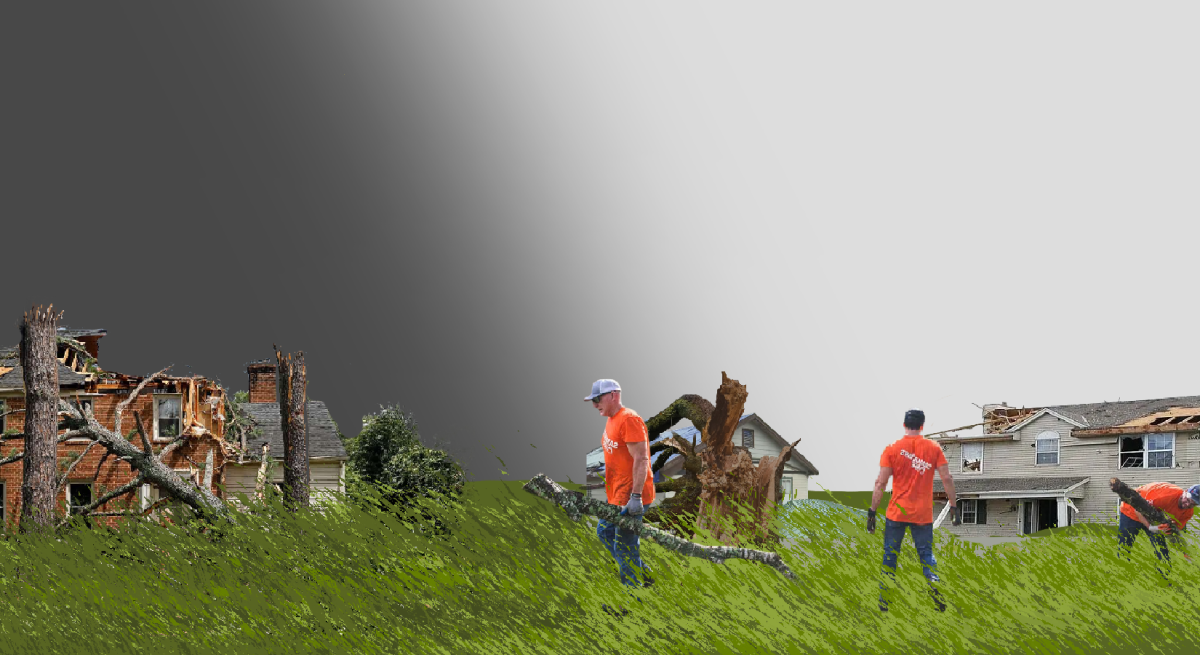
Once a storm has passed, the focus quickly shifts to public safety. Crews begin addressing hazards such as fallen trees, flooded streets and damaged sidewalks.
“First, it’s dealing with emergencies,” Marquardt said. “If there is tree damage or trees in streets, sidewalks, or are posing a danger, we will go and take care of those. We will respond to street flooding and just make sure our infrastructure is at a spot where it’s safe for residents to use.”
Downed trees are often reported to the Whitewater Police Department, who then notifies Public Works, who assess each situation and determine how quickly it needs to be handled. If a tree has fallen in the road, crews put up barricades and assemble a team to safely remove it. If a tree has fallen onto power lines, the city contacts WE Energies or outside contractors for assistance.
Flooded streets are handled similarly, with crews closing roads to protect drivers. Once the water recedes, staff inspect the area to determine clogged inlets or blocked pipes caused by the flooding and schedule any needed maintenance.
Heavy rain also creates challenges underground at Whitewater’s wastewater utility. While the city does not have a combined sewer system, stormwater can still enter aging sewer pipes.
“This rainwater theoretically should not enter the city’s sewer system because it’s not a combined sewer system,” Wastewater Utility Superintendent Ben Mielke said. “The fact of the matter is with old sewer pipes, there’s sometimes cross-connections or illegal pump connections.”
Officials say residents can help reduce storm hazards by staying aware and respecting road closures. Residents can also clear leaves and debris from storm drains near homes before major rainfall and limit unnecessary water use during flooding events.
While one household may not make a large difference, officials say small actions across the community can help reduce strain on city systems and improve safety during severe weather.